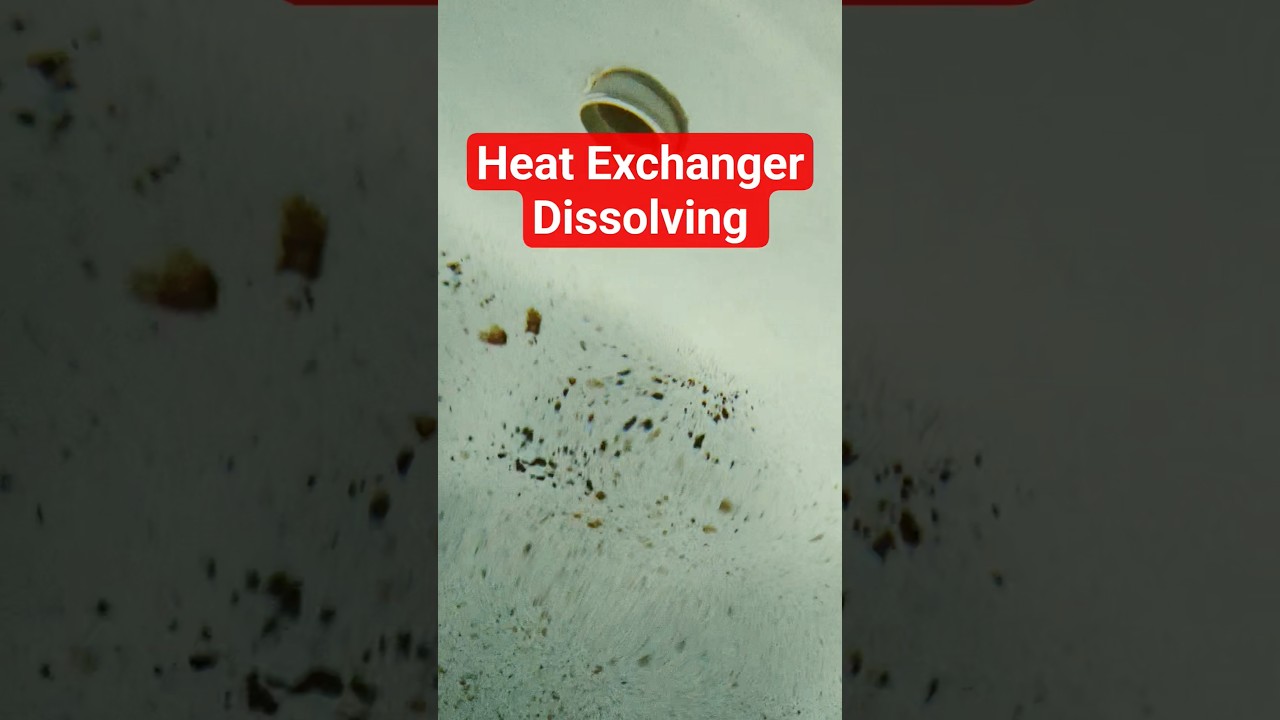
Rust coming out of a pool heater usually means internal corrosion. The cause is almost always water chemistry or metal incompatibility. Below is a structured breakdown.
---
1️⃣ Low pH (Most Common Cause)
When pH drops below 7.2:
Water becomes acidic
Copper heat exchanger begins dissolving
Iron components start oxidizing
Rust particles can enter return lines
Check immediately:
pH (ideal: 7.4–7.6)
Total Alkalinity (80–120 ppm)
---
2️⃣ Low Alkalinity
Low TA (less than 70 ppm):
Causes unstable pH
Allows rapid pH swings
Accelerates metal corrosion
If pH keeps drifting down, heater damage is likely ongoing.
---
3️⃣ High Chlorine or Chemical Feed Near Heater
If chlorine tablets or acid are installed:
Before the heater
Without a check valve
With improper plumbing
Highly concentrated sanitizer can backflow into the heater.
This causes:
Rapid exchanger corrosion
Internal rust flakes
Premature heater failure
Rule:
All chemical feeders must be installed after the heater with a check valve.
---
4️⃣ Salt System + Bonding Issues
Salt pools are not the problem by themselves.
The issue is:
Poor bonding
Stray voltage
Improper sacrificial anode
This can cause electrolysis → metal deterioration → rust discharge.
---
5️⃣ Old Heat Exchanger Failure
If heater is older (5–10+ years depending on care):
Heat exchanger may be thinning
Internal rust scale breaks loose
Brown flakes appear in spa or returns
At that point, repair vs replacement must be evaluated.
---
6️⃣ Iron in Source Water (Less Common)
If rust appears only when heater runs, it’s internal.
If rust appears even when heater is off, check:
Fill water iron content
Metal staining patterns
Filter debris color
---
???? Quick Diagnostic Checklist
1. Is rust only visible when heater runs?
2. What is your current pH and TA?
3. Is there a tablet feeder before the heater?
4. Do you have a salt system?
5. How old is the heater?
---
⚠️ Important
Do NOT continue running heater if:
Water chemistry is acidic
You see continuous rust discharge
Heater pressure changes abnormally
Further use can destroy the exchanger completely.
---
If you tell me:
Heater brand/model
Pool chemistry readings
Salt or non-salt
Approx heater age
I can narrow it down to the most probable cause and tell you whether this is reversible or heater replacement territory.
---
1️⃣ Low pH (Most Common Cause)
When pH drops below 7.2:
Water becomes acidic
Copper heat exchanger begins dissolving
Iron components start oxidizing
Rust particles can enter return lines
Check immediately:
pH (ideal: 7.4–7.6)
Total Alkalinity (80–120 ppm)
---
2️⃣ Low Alkalinity
Low TA (less than 70 ppm):
Causes unstable pH
Allows rapid pH swings
Accelerates metal corrosion
If pH keeps drifting down, heater damage is likely ongoing.
---
3️⃣ High Chlorine or Chemical Feed Near Heater
If chlorine tablets or acid are installed:
Before the heater
Without a check valve
With improper plumbing
Highly concentrated sanitizer can backflow into the heater.
This causes:
Rapid exchanger corrosion
Internal rust flakes
Premature heater failure
Rule:
All chemical feeders must be installed after the heater with a check valve.
---
4️⃣ Salt System + Bonding Issues
Salt pools are not the problem by themselves.
The issue is:
Poor bonding
Stray voltage
Improper sacrificial anode
This can cause electrolysis → metal deterioration → rust discharge.
---
5️⃣ Old Heat Exchanger Failure
If heater is older (5–10+ years depending on care):
Heat exchanger may be thinning
Internal rust scale breaks loose
Brown flakes appear in spa or returns
At that point, repair vs replacement must be evaluated.
---
6️⃣ Iron in Source Water (Less Common)
If rust appears only when heater runs, it’s internal.
If rust appears even when heater is off, check:
Fill water iron content
Metal staining patterns
Filter debris color
---
???? Quick Diagnostic Checklist
1. Is rust only visible when heater runs?
2. What is your current pH and TA?
3. Is there a tablet feeder before the heater?
4. Do you have a salt system?
5. How old is the heater?
---
⚠️ Important
Do NOT continue running heater if:
Water chemistry is acidic
You see continuous rust discharge
Heater pressure changes abnormally
Further use can destroy the exchanger completely.
---
If you tell me:
Heater brand/model
Pool chemistry readings
Salt or non-salt
Approx heater age
I can narrow it down to the most probable cause and tell you whether this is reversible or heater replacement territory.
- Category
- Twitch Hot Tub
Commenting disabled.
Up Next
Autoplay
-
00:12
Heat Exchanger cover dismantle ????????????️#satyendranisad #ytshorts #metalcore #automobile #mechan
-
00:15

Exchanger Pipes Automatic Tube Plate Welding #welding #steel #boiler #tube #heat #pipa #automatic
-
00:20
A plate heat exchanger uses stacked, thin metal plates with gaskets to efficiently transfer heat
-
25:44

GREEN POOL BACK TO CRISPY BLUE! SELF POOL MAINTENANCE! #swimmingpool #swimmingtips #swimming
-
00:30

Twitch's Solution To Hot Tub Streams #shorts
-
38:16

What should Twitch do about hot tub streams? || The Stanz Show #14
-
06:36

amouranth demonetized by twitch hot tub meta destroyed - lol
-
12:16

Twitch Adds a New Category for Hot Tub Streams