
Rhythmic Partner Forging in Traditional Blacksmith Workshops
Centuries ago, village blacksmiths learned that a single person could barely generate enough force to reshape thick hot steel. Teams of two craftsmen formed to divide labor: one guided the piece and marked strike points, while the second supplied heavy driving force. Rhythm grew into more than noise; it became wordless communication. The light, sharp taps from the smaller hammer told the sledge‑wielding partner precisely where and when to strike, no spoken instructions required. Many family‑run forges passed this paired skill down through households, with spouses or relatives practicing together year after year.
• The smith with tongs controls both workpiece position and strike locations. Every quick tap of the small hammer marks the exact spot that needs the sledgehammer’s heavy force.
• Matching timing prevents mis‑hits. When swings fall out of sync, the sledge can dent or bend steel out of intended form, wasting heat and material from the forge fire.
• Division of effort lessens fatigue. Guiding and marking work demands fine control, while swinging the large hammer calls for brute strength; splitting tasks lets work continue for longer stretches.
• Hot steel only stays malleable for limited windows. Synchronized hammering finishes shaping before the metal cools too far, removing the need for repeated extra trips back to the coal fire.
• Sound acts as non‑verbal workshop language. Experienced pairs build instinct from the clang pattern, adjusting swing weight and pace just by hearing one another’s hammer rhythm.
• The heavy sledgehammer delivers bulk deformation. Its weight compresses and spreads hot metal, while the lighter hammer refines edges, curves and fine surface details.
• Anvils mounted on thick tree stumps absorb shock. The wooden base softens jarring vibration, protecting both metal tools and the joints of people hammering for many hours each day.
• Protective gloves and focused posture reduce risk. Flying hot scale bounces off the workpiece with every blow, so blacksmiths keep stable stances and guard hands away from striking zones.
• Family‑based forging preserves local craft knowledge. Husbands and wives learn each other’s subtle timing cues over years, building teamwork that outside hired helpers cannot easily match.
• Craftsmen must judge metal temperature by its glow. Bright orange‑red heat means ideal forging state; once steel dims, workers pause hammering and return the piece to the burning forge.
• This hand‑partner workflow makes small‑batch custom items. Farmers bring requests for plow parts, horseshoes, knives and brackets that mass‑produced factory goods cannot replicate.
• Rhythm carries cultural meaning beyond production. To onlookers, overlapping hammer beats create ordered musical sound, turning hard manual labor into a recognizable folk‑craft performance.
Shared hammer beats represent accumulated practical wisdom. Wordless coordination between two people turns rigid raw steel into functional objects, keeping old household blacksmith traditions alive in modern times.
- Category
- Twitch Hot Tub
Commenting disabled.
Up Next
Autoplay
-
00:14
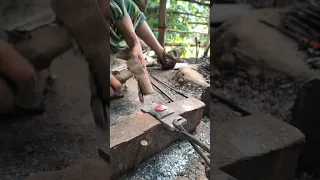
???? Blazing fire shapes steel with every hammer strike#BLACKSMITHEONFIreO2 #blacksmith #steel
-
00:04

shaping a glowing red hot metal piece into a garden hoe blade by striking it with a hammer on an.
-
00:22
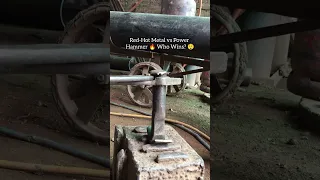
Red Hot Steel Forging Process ???? | Powerful Hammer Shapes Metal Perfectly ⚙️ #Shorts
-
00:08
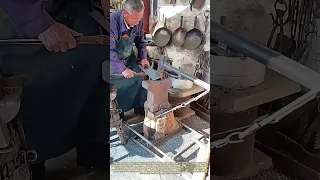
Striking Hot Steel: How a Foot‑Operated Hammer Shapes Hand‑Forged Kitchen Blades
-
00:30

Twitch's Solution To Hot Tub Streams #shorts
-
38:16

What should Twitch do about hot tub streams? || The Stanz Show #14
-
06:36

amouranth demonetized by twitch hot tub meta destroyed - lol
-
12:16

Twitch Adds a New Category for Hot Tub Streams
